

Every year, as summer fades, the streets of Accra come alive with drumming, dancing, and the smell of freshly made kpokpoi. This is the Homowo festival, one of Ghana’s most meaningful celebrations. It’s also one of the biggest reasons families living abroad choose to fly home this time of year.
If you have roots in Ghana, or you simply want to experience the real heartbeat of Ga culture, the Homowo festival is worth planning a trip around. Our guide explains what the celebration means, when it happens, where to experience it, and how to get there.
What Is the Homowo Festival?
The Homowo festival is the harvest celebration of the Ga people of Ghana’s Greater Accra Region. The name translates as “hooting at hunger,” and that phrase carries the whole story.
According to Ga oral tradition, the ancestors endured a devastating famine during their early migration to what is now Accra. Rains failed. Food ran out. So the people planted, waited, and hoped. When the rains finally returned and the harvest came in abundance, they didn’t just celebrate — they mocked the hunger that had nearly destroyed them. They “hooted” at it. That act of defiant joy became the Homowo festival, and it has been repeated for centuries.
Today, the Homowo festival is a celebration of resilience, gratitude, and community. It’s not a performance staged for visitors. It’s a living tradition, and taking part in it means witnessing Ghana’s largest ethnic group honor their heritage in real time.
When Is the Homowo Festival Held?
The Homowo festival takes place between August and September each year with some communities starting a bit earlier. The exact dates are not fixed on the calendar. Instead, they are set annually by the traditional councils of each Ga community, which means the timing can shift from year to year and even vary between neighborhoods.
The celebration actually unfolds over several weeks, not a single day. It begins quietly, months earlier, when traditional priests plant millet. A ban on drumming and no-making follows: a period of solemn stillness across Ga lands. Then, when the ban lifts, the festival erupts into its joyful climax: the drumming returns, families gather, and the feasting begins.
Because different Ga quarters (Ga Mashie, Osu, La, Teshie, and others) celebrate on their own schedules, the festive atmosphere can stretch across much of August and into September. If you’re planning your trip around the Homowo festival, confirm the specific dates for the community you want to visit before you book, since they’re announced locally and can change.
| Ga Community | Position in the Season | Typical Window | Notes |
|---|---|---|---|
| Nungua | Celebrates first | From early in the season | One of the oldest Ga towns; opens Homowo, its Kplejoo rites span months |
| Tema | Early | Follows Nungua | Own traditional council and schedule |
| Ga Mashie (James Town / Ussher Town) | Main climax | Peak of the season | Grandest celebrations; the ceremonial heart |
| Osu | Mid-to-late | Around the Ga Mashie climax | Central Accra |
| La (Labadi) | Late | Toward the end | Strong coastal Homowo tradition |
| Teshie | Concludes the season | End of the season | Traditionally the last to celebrate |
What Actually Happens During Homowo
The Homowo festival is rich with ritual, and each stage carries meaning.
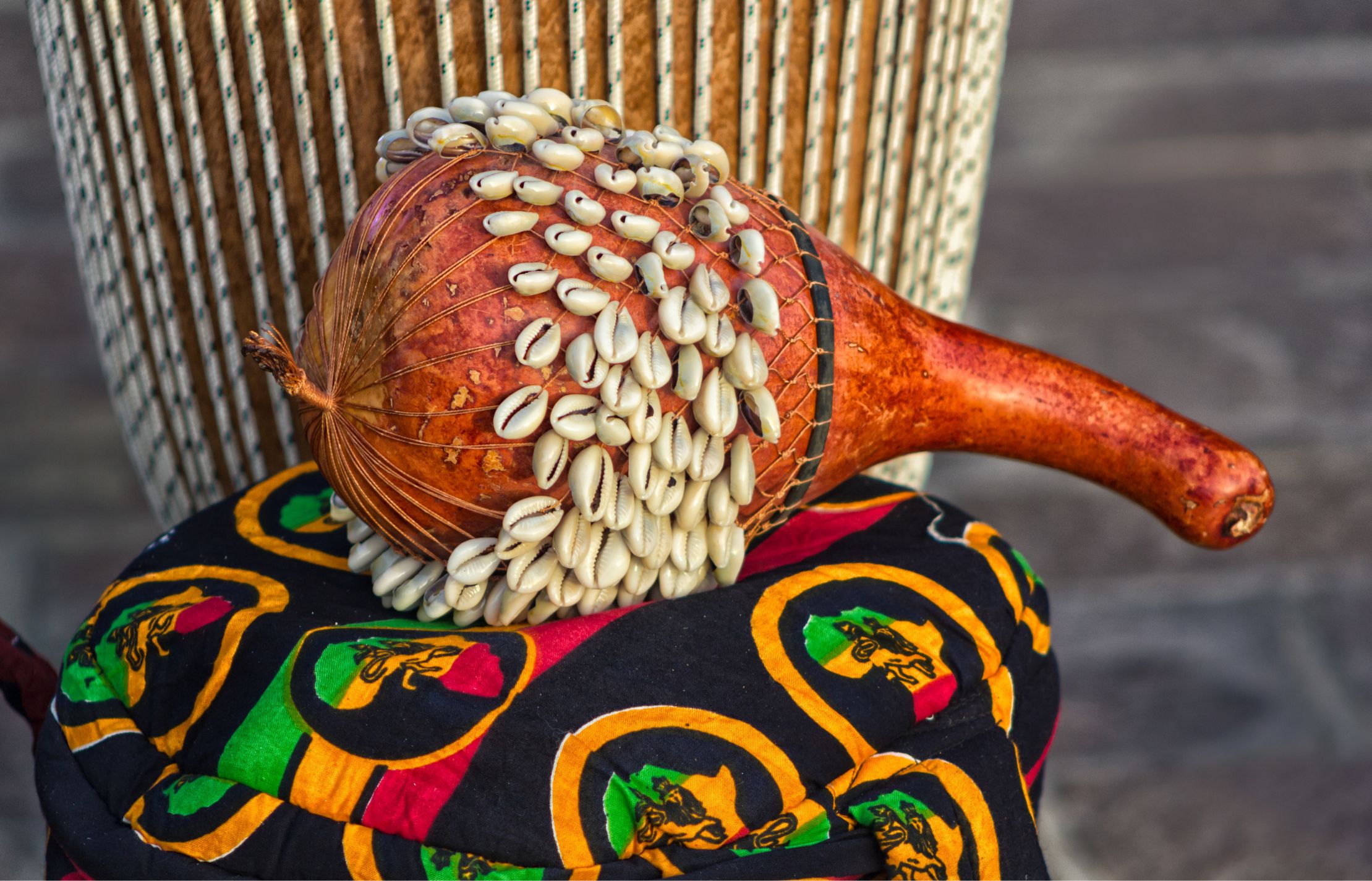
The ban on drumming
In the weeks before the celebration, a hush falls over Ga communities. Drumming and loud music are prohibited, creating a period of reflection that mirrors the ancestors’ anxious wait for the harvest.
The lifting and the return of the drums
When the ban ends, the transformation is dramatic. Drums return, and the streets fill with sound and movement. After weeks of quiet, the release is electric.
Kpokpoi and the family feast
The signature dish of the Homowo festival is kpokpoi, a traditional meal made from ground corn and served with palm nut soup. Ga chiefs and elders sprinkle kpokpoi to bless the land and honor ancestors. Next, families gather for a communal feast, one of the most important moments of the whole celebration.
Processions and libations
Chiefs appear in full regalia, libations are poured to the ancestors, and colorful processions move through the Ga quarters of Accra. There’s dancing, singing, and an open-door spirit. Homowo is a time when homes welcome relatives and visitors alike.
Reunion
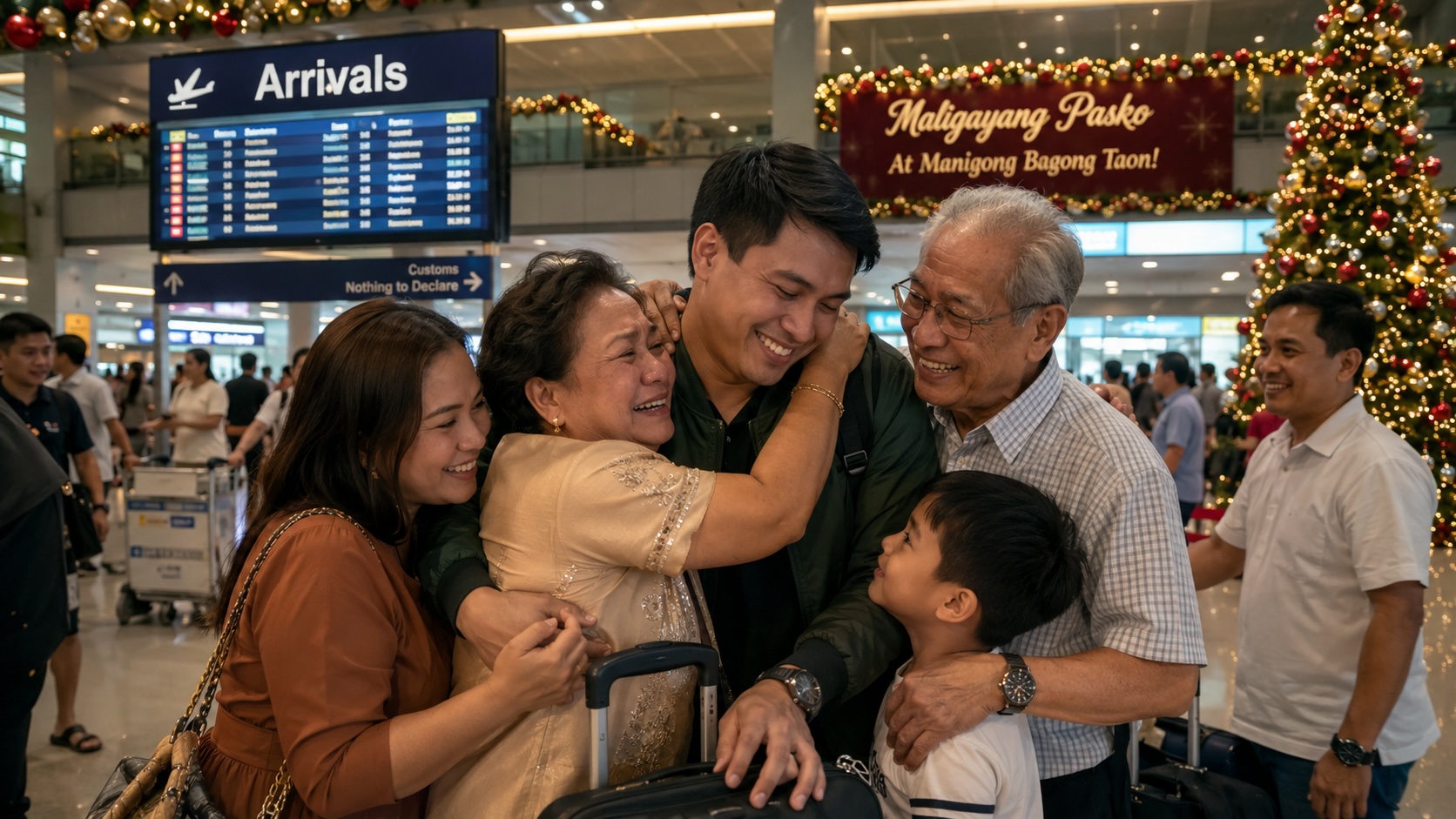
Above all, the Homowo festival is a homecoming. Ga people travel from across Ghana and around the world to return for it. For families spread across continents, it’s a reason to come together.
Where to Experience the Homowo Festival in Accra
The Homowo festival is centered in the historic Ga communities of Greater Accra. A few areas stand out:
Ga Mashie (James Town and Ussher Town)
The historic heart of Ga Accra, and one of the most atmospheric places to experience the celebration. The same district hosts the Chale Wote Street Art Festival in August, so the whole area buzzes with energy this time of year.
Osu
A lively, central neighborhood where tradition and modern Accra sit side by side.
La (Labadi) and Teshie
Coastal Ga communities with strong Homowo traditions and their own celebration schedules.
Wherever you go, approach the celebration with respect. Some rituals are sacred. Watching a procession or sharing a meal you’re invited to is welcomed. But inserting yourself into a ceremony is not. If you’re returning to family, they’ll guide you. If you’re newer to the tradition, consider connecting with a local guide who understands the details.
How to Get to Accra for the Homowo Festival
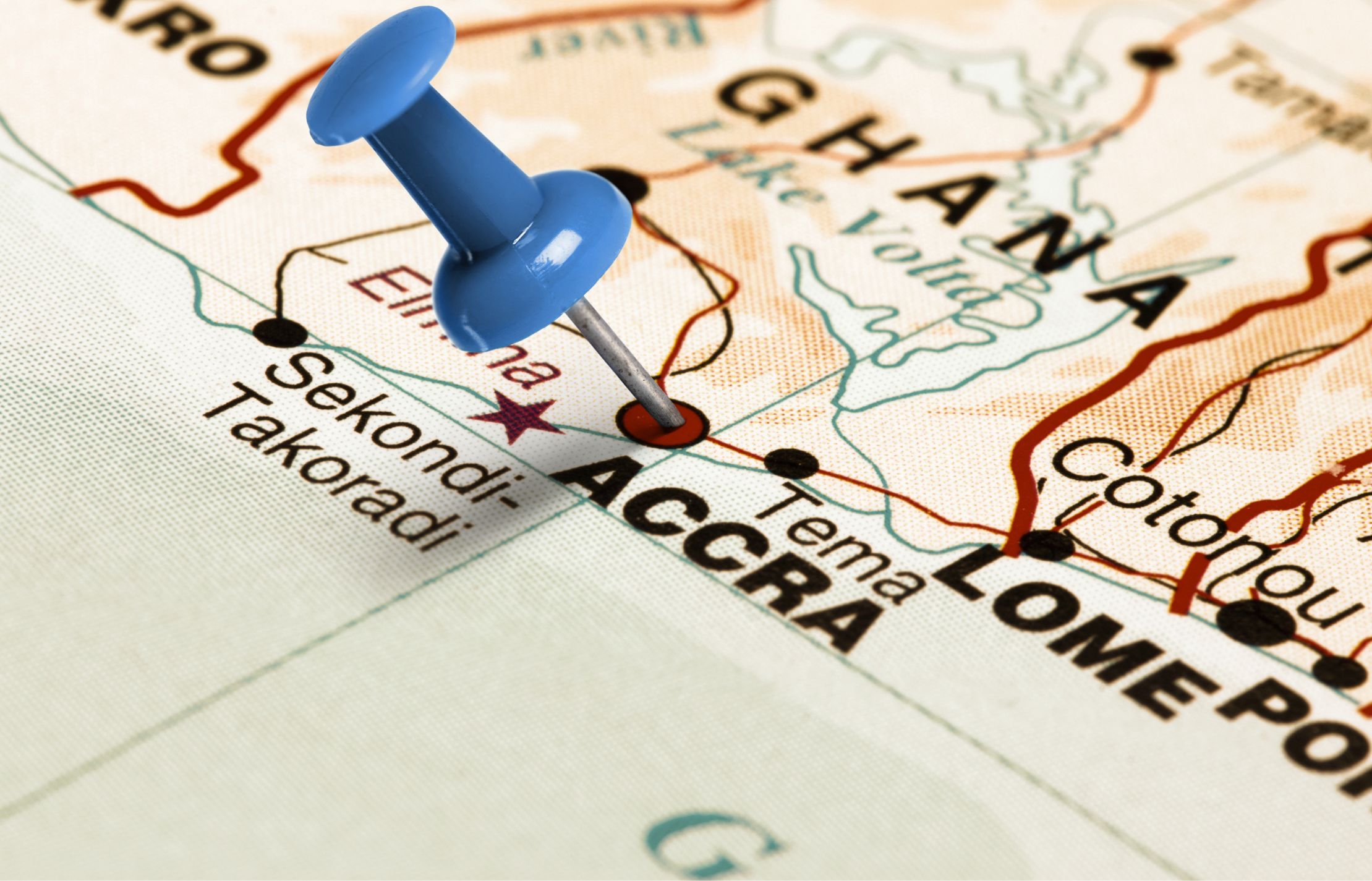
Accra’s Kotoka International Airport (ACC) is the gateway, and it’s one of the better-connected cities in West Africa from the United States.
Delta operates a nonstop flight from New York JFK to Accra, taking 10-11 hours. It’s the most established direct route from the US and the simplest option for East Coast travelers. United flies nonstop from Washington Dulles. Between them, there are direct flights from the US to Accra most days of the week.
If you’re not near New York or Washington, one-stop connections cover the rest of the country well. KLM connects via Amsterdam, British Airways via London, Brussels Airlines via Brussels, Turkish Airlines via Istanbul, and Qatar Airways via Doha. These hubs open up Accra from almost any US city, and connecting fares are sometimes lower than the nonstops.
Flights to Accra Comparison
| Airline | Route | Type | Best For |
|---|---|---|---|
| Delta | New York (JFK) → Accra | Nonstop | East Coast travelers wanting the fastest, most established direct route |
| United | Washington (IAD) → Accra | Nonstop | DMV-area travelers flying direct |
| KLM | via Amsterdam (AMS) | One stop | Wide US coverage, smooth European connection |
| British Airways | via London (LHR) | One stop | Travelers connecting through London |
| Brussels Airlines | via Brussels (BRU) | One stop | A long-standing West Africa specialist |
| Turkish Airlines | via Istanbul (IST) | One stop | Often competitive fares from many US cities |
| Qatar Airways | via Doha (DOH) | One stop | Strong service and broad US departure options |
A few booking tips you should keep in mind:
- Book early. August through October is peak festival season in Ghana, and demand rises accordingly. The earlier you book, the better your fare and seat availability.
- Consider your bags. If you’re traveling for a family reunion, you may be carrying gifts. Baggage allowances vary by airline, so compare the total cost including checked bags, not just the fare.
- Be flexible on dates. Because the Homowo festival spans several weeks and varies by community, you may have room to shift your travel by a few days to catch a better fare while still arriving in time for the celebration you’re aiming for.
Why the Homowo Festival Is Worth the Trip
Some trips are about sightseeing. This one is about belonging. The Homowo festival isn’t a show — it’s a centuries-old act of gratitude, a reunion of family, and a reminder of a people’s resilience. Standing in the Ga quarters of Accra when the drums return, sharing kpokpoi with relatives, watching the processions move through streets your family has walked for generations — that’s an experience no itinerary can manufacture.
If the Homowo festival is calling you home this year, don’t leave the flights to chance. ASAP Tickets agents book flights to Accra every day and can find fares, including unpublished bulk fares that don’t appear on regular booking sites. Tell us when you want to be in Accra, and we’ll help you get there. Call our agents at 844-300-7983 and ask about the best deals available. Plan your Homowo trip today!
Frequently Asked Questions About the Homowo Festival
What does “Homowo” mean?
Homowo means “hooting at hunger” in the Ga language. It refers to the way the Ga people mocked and celebrated over the famine their ancestors survived, after a bountiful harvest finally returned.
When is the Homowo festival celebrated?
The Homowo festival is held between August and September. Exact dates are set each year by the traditional councils of individual Ga communities, and can differ between neighborhoods.
Where does the Homowo festival take place?
It’s celebrated across the Ga communities of Greater Accra, Ghana, including Ga Mashie (James Town and Ussher Town), Osu, La (Labadi), and Teshie.
What food is associated with the Homowo festival?
The signature dish is kpokpoi, made from ground corn and served with palm nut soup. It’s central to the celebration. Chiefs sprinkle it to bless the land and honor ancestors, and families share it during the communal feast.
Can visitors attend the Homowo festival?
Yes. The Homowo festival is known for its welcoming, open-door spirit. Some rituals are sacred and should be observed respectfully rather than joined. A local guide or your host family can help you understand the protocol.
How do I fly to Accra for the Homowo festival?
Fly into Kotoka International Airport (ACC). Delta flies nonstop from New York JFK, and United flies nonstop from Washington Dulles, with one-stop options from other US cities via European and Middle Eastern hubs. Because August is peak festival season, booking early is strongly recommended.
Also worth reading:

Get it right to your inbox by subscribing to ASAP Tickets weekly emails featuring the hottest flight deals from US to the .
Massive savings • Unsubscribe at any time.
You were sucessfully subscribed
Please check your inbox to confirm the subscription